Project Management Consultancy in the UK Projects Matters

Blueprints & Breakthroughs: How Project Management Consultancy in the UK Turns Chaos into Coordination

Deadlines slip. Budgets run off course. Teams lose track of tasks. Anyone in construction has seen how quickly a project can spin into confusion. 

Time is lost, money disappears, and stress rises for clients, workers, and everyone involved. This is where strong guidance can make a difference. 

A structured plan, clear communication, and practical decision-making can turn a complicated build into something people can manage. 

The Construction Consultants help clients bring order into fast-moving projects by providing project management consultancy in the UK settings where pressure is high and mistakes can be costly.

Project management can be the difference between a site that feels out of control and a site that runs like a well-oiled machine. 

With the right support, teams work together, problems get handled quickly, and progress happens in a steady way.

What Is Project Management Consultancy in the UK Construction?

Project management consultancy in the UK construction means bringing in experienced professionals who guide the entire project from start to finish. 

They keep teams aligned, track spending, and make sure every step follows the client’s goals.

Professionals in this role may support areas such as:

  • Contract management
  • Budget control
  • Scheduling
  • Quality checks
  • Risk control
  • On-site leadership

Based on research from the UK Government Infrastructure and Projects Authority, almost half of major public sector projects face delays or budget issues without proper governance frameworks, showing how valuable project oversight can be.

When guidance is missing, responsibility becomes unclear. When guidance is strong, every person knows what they are responsible for.

Why Project Management Consultancy in the UK Projects Matters

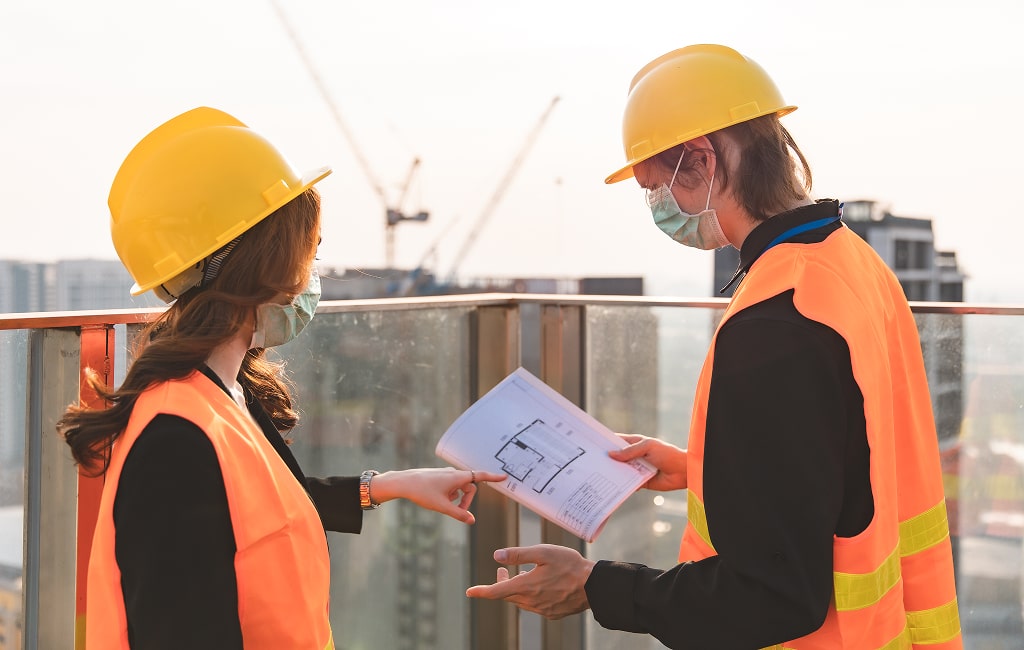
Many builds involve architects, subcontractors, clients, and suppliers. Each group has its own goals and needs. Without someone connecting all the moving parts, tasks repeat, delays grow, and costs climb.

Why do problems happen in construction?

Common reasons include:

  • Lack of communication
  • Vague roles
  • Changes not tracked properly
  • Budget mistakes
  • Time issues
  • Slow decision-making

According to a report from the Royal Institution of Chartered Surveyors (RICS), strong project management improves cost performance, supports faster delivery, and increases satisfaction among clients.

Why consultancy helps

Experts in project management consultancy in the UK construction bring:

  • Clear project roadmaps
  • Consistent updates
  • Problem-solving support
  • Tools to measure progress
  • A steady approach to change

With this support, the project becomes easier to understand for everyone involved.

How Project Management Consultancy in the UK Construction Keeps Projects on Track

Project Management Consultancy in the UK Projects Matters

How complaints and delays are avoided

Professionals help by:

  • Reviewing risks early
  • Setting realistic deadlines
  • Confirming tasks are assigned
  • Tracking communication
  • Keeping paperwork organised
  • Checking compliance rules

How costs stay under control

A study by the Chartered Institute of Building found that budget issues are one of the top challenges faced in the UK construction sector, especially during complex builds.

When a project has a structured approach:

  • Spending is monitored
  • Costs are compared to plans
  • Decisions go through guidance
  • Surprises are reduced

How teams communicate better

Daily updates and scheduled reviews help people stay aligned. No one has to guess what is happening, and misunderstandings are reduced.

How risks become manageable

Instead of reacting when a problem happens, a consultant identifies possible risks early and suggests steps to avoid or limit them.

What Key Tasks a Project Management Consultant Handles

What happens before the build

  • Reviewing the client’s goals
  • Setting timelines
  • Evaluating potential risks
  • Holding early team discussions
  • Working out budgets

What happens during construction

  • Tracking progress
  • Updating stakeholders
  • Reviewing delivery schedules
  • Checking compliance with UK building standards
  • Solving problems that appear on the site

What happens after completion

  • Reviewing results
  • Confirming quality milestones
  • Helping with closing reports

This process helps ensure that the project finishes smoothly without loose ends.

How Project Management Consultancy in the UK Supports Clients Who Feel Overwhelmed

Clients with large builds can feel pressure when updates come from ten different directions. A consultant helps by giving:

  • One clear point of contact
  • Simple reports
  • Regular updates
  • Helpful summaries

This makes the experience easier and more reassuring.

A report from the UK National Audit Office shows that clear governance and structured communication improve the success rate of construction projects, especially in public works.

Why Many UK Clients Choose Consultancy Over Independent Management

Professionals working full-time in the industry have up-to-date experience, knowledge, and industry contacts. That can improve outcomes by:

  • Choosing suitable contractors
  • Spotting problems fast
  • Understanding regulations
  • Handling disputes
  • Speeding up paperwork
  • Guiding decision-making

Instead of learning through costly mistakes, clients benefit from people who have already been through the process many times.

How Consultants Help Teams Work Together Without Confusion

Project management consultancy in the UK construction environments is often about making sure everyone understands:

  • Who is doing what
  • When tasks need finishing
  • What standards must be met

This gives confidence to the workers, peace of mind to the client, and structure to the project.

Meetings, site visits, progress reports, and daily checks help everyone stay involved without feeling lost.

What Mistakes Consultants Help Clients Avoid

Common errors that seasoned professionals help prevent include:

  • Lack of clear contracts
  • No timeline planning
  • Missing paperwork and documentation
  • Overestimated budgets
  • Poor record-keeping
  • Not meeting regulatory requirements

By avoiding these mistakes, builds become more reliable, less stressful, and easier to deliver.

How Consultants Keep Track of Changing Construction Rules

The UK construction environment follows many laws and policies, including:

  • CDM Regulations
  • Planning rules
  • Environmental requirements
  • Building safety guidelines

According to the Health and Safety Executive, ongoing regulatory compliance is essential for reducing site risk and improving health and safety outcomes, especially for new developments. 

A consultant helps ensure that the project matches legal requirements at every step.

Why Strong Leadership Makes a Big Difference on Site

Construction workers feel more confident when leadership is:

  • Clear
  • Consistent
  • Available
  • Practical

A consultant provides leadership that supports both management teams and labour teams. This helps everyone focus on doing their part well.

How Project Management Consultancy in the UK Creates Accountability
Project Management Consultancy in the UK Turns Chaos into Coordination

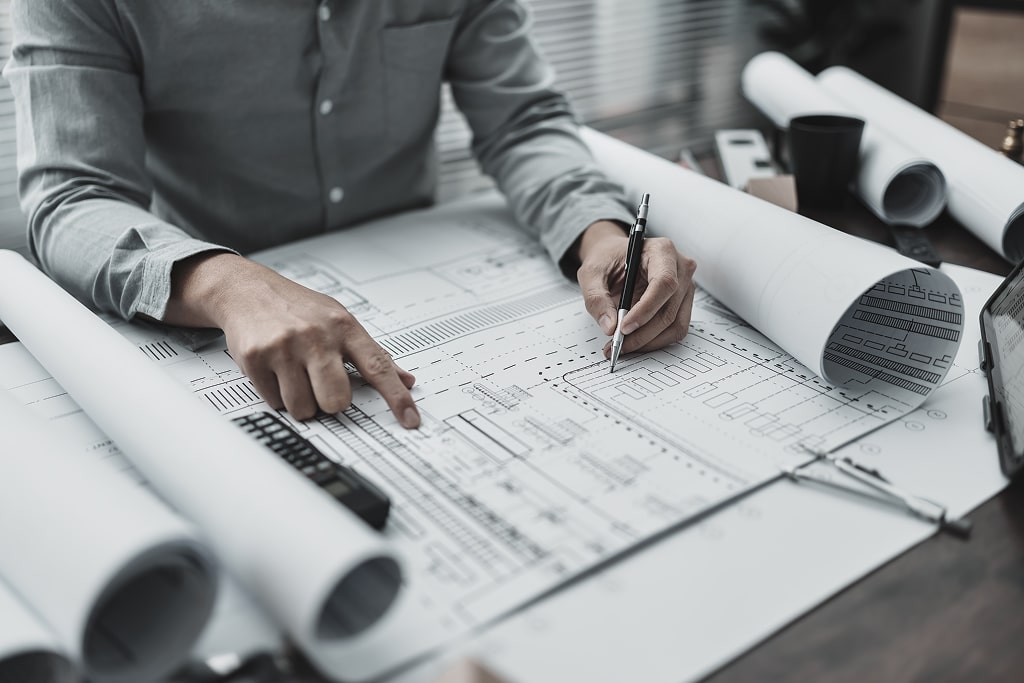
Every part of the build is tracked so that:

  • Responsibilities are clear
  • Missed tasks are spotted
  • Performance is measurable
  • Changes are recorded
  • Progress is visible

Accountability boosts trust between stakeholders, which is good for both short-term and long-term outcomes.

What Clients Gain from a Well-Managed Project

Clients who work with a professional project management consultancy in the UK construction benefit from:

  • Less stress
  • A smoother experience
  • Better cost control
  • Fewer delays
  • Stronger communication
  • Confidence in results

Projects feel less chaotic and more in control.

How The Construction Consultants Help Clients Stay Confident

The Construction Consultants supports clients by offering consistent guidance, practical support, and structured project management consultancy in the UK construction environments. 

It gives teams clear direction and helps projects move forward without confusion.

A Smoother Build Makes Life Easier for Everyone

Construction becomes less stressful when the right help is in place. Instead of trying to balance budget changes, team coordination, and technical requirements all at once, clients can rely on steady guidance to stay in control.

A trusted project management consultancy in the the UK helps turn complicated builds into organised and coordinated work. 

With support from specialists, teams understand their roles, decisions are made faster, results are delivered with fewer problems, and the client gains peace of mind.

The Construction Consultants provides this type of structured guidance for organisations that want assurance, accountability, and a successful project outcome.

Read more
Construction Site Risk Assessment

Construction Site Risk Assessment: Common Hazards You Can’t Afford to Miss

A construction site can go from calm to dangerous in seconds. Heavy tools move around, workers climb up scaffolding, and vehicles pass through tight spaces. 

Accidents can happen fast. This is why a strong construction site risk assessment is one of the most important parts of any project. 

The Construction Consultants understand how crucial this is and support companies in building safer sites that protect workers and the public.

Many injuries and fatalities in construction can be prevented. The right planning, checks, and safety steps can stop problems before they turn into major incidents. 

A full construction site risk assessment makes this possible by helping teams spot hazards early and manage them properly as work progresses.

Why Construction Site Risk Assessment Matters So Much

A construction site risk assessment is more than a document. It is a daily tool that helps everyone understand what could go wrong and how to stop it. Without it, workers may face hazards they are not prepared for.

The UK construction industry continues to see injury numbers that could be reduced with better safety planning. 

According to the UK Health and Safety Executive (HSE), construction still accounts for around a quarter of fatal workplace injuries in recent years.

A proper risk assessment builds awareness around:

  • Where danger is likely to appear
  • Who could be harmed
  • What steps should be taken to reduce the risk
  • How progress should be monitored throughout the project

A building site changes every day. That means hazards can appear quickly, and risk assessments need to be updated often to stay relevant.

What Hazards Must Be Considered in Construction Site Risk Assessment?

A construction site risk assessment needs to consider different types of hazards. Here are the most common ones that every project should evaluate carefully, with explanations anyone can understand.

Working at Height

Falling from height remains one of the biggest causes of fatal injuries in construction.

Based on HSE statistics, people working on roofs, ladders, platforms, and scaffold structures remain highly at risk.

A risk assessment should look at:

  • Whether workers are trained for height work
  • If scaffolding is stable and inspected
  • Whether protective rails or harnesses are in use
  • Conditions like wind, rain, and slippery surfaces

Even a short fall can cause life-changing injuries, and many falls happen simply because the correct safety measures were not followed.

Moving Vehicles and Machinery

Construction machinery is powerful, and many accidents happen when vehicles are reversing or turning without full visibility. 

According to the HSE, workers being struck by moving vehicles is one of the most common causes of fatal injuries.

A construction site risk assessment should check:

  • Are clear walkways for workers marked?
  • Is there a trained banksman to guide reversing vehicles?
  • Are drivers certified to operate the machinery?
  • Are the warning signals and mirrors functioning?

Good vehicle planning saves lives.

Electricity Hazards

Live electrical equipment can be extremely dangerous. A single mistake can lead to burns, fires, or serious shock injuries. Electrical hazards can come from damaged cables, improper insulation, or workers touching live circuits without knowing.

Risk checks should include:

  • Are cables kept away from sharp edges or water?
  • Is electrical work only done by qualified workers?
  • Are temporary supplies regularly inspected?

Following electrical safety rules keeps sites safer and prevents unexpected outages.

Manual Handling and Lifting

Construction workers often lift heavy or awkward loads. According to HSE guidance, many workers develop long-term back, joint, or muscle injuries from improper lifting.

A construction site risk assessment should identify:

  • What loads are too heavy to carry by hand
  • When lifting equipment should be used
  • Whether workers are trained in proper lifting posture

Even simple changes can reduce long-term injury rates.

Slips, Trips, and Falls on the Same Level

Not all falls happen from height. Many workers are injured every year by tripping over loose materials, uneven surfaces, or slippery ground. Wet weather adds more risk, especially during winter.

Risk controls include:

  • Keeping walkways tidy
  • Removing debris regularly
  • Using anti-slip coverings
  • Having clear lighting for night or low-light work

These hazards can be easily prevented with simple, fast checks.

Dust, Chemicals, and Air Quality

Dust on construction sites can cause breathing problems. Based on research from HSE, dust exposure contributes to thousands of cases of lung disease every year.

A construction site risk assessment should look at:

  • Whether dust-producing tools are fitted with proper extraction
  • If respiratory protective equipment is being used
  • Whether workers are trained to recognise long-term risks

Chemical hazards also come from solvents, fuels, adhesives, and paints. All must be handled correctly following Control of Substances Hazardous to Health guidance.

Noise Levels That Damage Hearing

Construction work often produces high noise levels that can damage hearing over time. HSE guidance states that many workers develop permanent hearing loss due to long-term exposure to loud environments.

Risk assessment checks should include:

  • Measuring noise levels
  • Providing ear protection
  • Scheduling noisy tasks to reduce long exposure

Noise risk often goes unnoticed because the effects build slowly.

Vibration Risks from Tools and Machinery

Tools such as breakers and grinders can cause a condition called Hand-Arm Vibration Syndrome (HAVS). This can lead to nerve damage and loss of feeling. HSE has noted that thousands of workers are affected every year.

A risk assessment should evaluate:

  • How long wdo orkers use vibrating tools each day
  • Whether anti-vibration measures exist
  • If regular health monitoring is taking place

Fire Safety

Fires at construction sites can spread quickly due to materials like wood, fuel, and packaging. A construction site risk assessment should cover:

  • Fire exits and escape routes
  • Proper storage of flammable materials
  • Working fire extinguishers
  • Workers trained in emergency action

Good planning reduces the time needed to respond if a fire starts.

How to Carry Out a Construction Site Risk Assessment Step-by-Step

Construction Site Risk Assessment worker

A structured process helps teams handle risk smoothly. The HSE provides clear guidance explaining that a risk assessment should identify hazards, decide who may be harmed, evaluate risks, record findings, and review regularly.

Here is a clear process anyone can follow.

Step 1: Identify Hazards

Walk around the site and look closely at activities, equipment, vehicles, and working areas. Speak to workers as well, as they often know the risks better than managers.

Ask simple questions:

  • What could go wrong here?
  • Which tasks make workers feel unsafe?
  • What has caused problems in the past?

Step 2: Decide Who Might Be Harmed

Think about:

  • Workers
  • Subcontractors
  • Visitors
  • The public
  • Nearby residents

Different groups may face different risks.

Step 3: Evaluate the Risks

Look at:

  • How likely is an accident?
  • How severe the damage could be

Think about realistic situations. Even small hazards can cause big injuries if controls are not in place.

Step 4: Put Safety Measures in Place

These may include:

  • Training
  • Protective equipment
  • Barriers or signs
  • Improved equipment
  • Better scheduling
  • More supervision

Controls should be simple, practical, and easy to follow.

Step 5: Record the Assessment

This is required by law when five or more workers are employed. A written record shows that risk has been considered and managed properly.

Step 6: Review and Update Regularly

A construction site risk assessment is not completed once and then forgotten. It should be reviewed:

  • When new equipment arrives
  • When the project phase changes
  • After an incident or near-miss
  • After worker feedback

Reviews make the assessment a living part of daily site management.

What Happens If a Construction Site Risk Assessment Is Ignored?

Ignoring risks can lead to:

  • Injured workers
  • Project delays
  • Poor reputation
  • Higher insurance costs
  • Legal penalties for non-compliance

According to HSE, companies can even face prosecution if they fail to carry out legal risk assessments.

Workers deserve safe environments, and clients expect professional management. This is why strong planning is both good business and good practice.

Why Communication Matters in Risk Assessment

A construction site risk assessment is not helpful if nobody understands it. Workers should:

  • Be trained
  • Be able to ask questions
  • Receive daily briefings
  • Feel confident reporting problems

Sites operate best when everyone knows how to protect themselves and each other.

What Tools Help Improve Construction Site Risk Assessment?

Modern technology has improved the way risk is recorded and monitored. Common tools include:

  • Digital risk assessment software
  • Mobile reporting apps
  • Cloud-based inspection logs
  • Photo-based site hazard reporting
  • Live dashboards showing incidents and performance

These tools help supervisors spot problems faster and keep track of changes across the site.

How The Construction Consultants Support Safer Worksites

The Construction Consultants help project teams improve compliance and safety through structured risk assessment support, training, and ongoing monitoring. 

Instead of taking a one-size-fits-all approach, we help contractors understand the specific hazards of their projects and control them properly throughout the build.

This guidance supports both safety and smoother project delivery.

What Workers Often Ask About Construction Site Risk Assessment

Construction Site Risk Assessment

Below are common questions that workers and site managers usually want answered.

What makes a good construction site risk assessment?

A good assessment should be:

  • Clear and simple
  • Focused on real hazards
  • Updated regularly
  • Easy for workers to understand
  • Backed by practical controls that people will actually follow

How often should it be updated?

Whenever conditions change. That could be:

  • Daily
  • Weekly
  • After incidents
  • When new workers join
  • When new equipment is used

There is no set number of days. It must reflect the site as it is now.

Who is responsible for it?

Legally, employers and site managers hold responsibility. However, everyone plays a part in reporting risks early so they can be managed.

Is paperwork required?

Yes, if the business has five or more workers. It does not have to be complicated. Even simple forms are acceptable as long as they show hazards and controls clearly.

When Safety Becomes Part of Everyday Work

A construction site risk assessment works best when workers do not see it as just another document. It should become part of daily life on-site. 

When teams speak openly about hazards, more problems are spotted early, and fewer injuries happen.

This is how construction becomes safer for:

  • Experienced tradespeople
  • New workers
  • Visiting inspectors
  • The public

A workplace that protects people is also more productive.

Safety on Site Starts Today

A safer construction project starts long before the first tool is picked up. Good planning protects workers, saves time, and helps organisations perform at their best. 

The Construction Consultants support teams in building strong construction site risk assessment processes that make safety a priority from start to finish.

Mistakes on a building site can change lives forever. Choosing to assess risks properly helps protect everyone and supports a better, more professional industry.

Make Construction Safety Real, Not Just a Document

Every day on a site involves risk. Workers use heavy tools, work at height, and rely on machinery that must be handled properly. 

If a construction site risk assessment is carried out well, workers finish their shift safely and go home to their families without injury. If it is not taken seriously, accidents can happen quickly.

The Construction Consultants support projects that want safety to be part of everyday site culture, not just a file in a drawer. 

When teams understand hazards and how to control them, construction becomes not only more compliant but also more human.

Read more
Company Health and Safety Policy

Company Health and Safety Policy: How to Write One That Actually Works

A site can feel calm one moment and chaotic the next. A small mistake, a loose cable, a forgotten PPE check, or a rushed decision can turn a normal workday into a serious accident. 

Many teams only realise gaps in their safety plans after something goes wrong. This is why having a clear company health and safety policy matters. It guides people, keeps risks low, and helps everyone get home safe.

This is The Construction Consultants quietly support companies. We help teams put strong safety systems in place so workers feel protected and operations run smoothly.

A company health and safety policy is not just a document for the office shelf. It should be a real tool people can understand and follow every day.

Why a Company Health and Safety Policy Matters More Than Most People Think

Many business owners know they need a company health and safety policy, but not everyone understands why it is so important. When you break it down, the reason is simple: people need to feel safe where they work.

According to the Health and Safety Executive (HSE), thousands of workers in the UK face injuries every year because of unsafe practices. You can read their latest data here:

A strong company health and safety policy helps in a few key ways:

  • It shows your team that their safety comes first
  • It helps managers decide what actions to take
  • It makes legal duties easier to follow
  • It reduces unexpected costs
  • It supports smoother, more productive work

Many accidents are preventable. A clear policy helps prevent them.

What Should a Good Company Health and Safety Policy Include?

Company Health and Safety Policy: How to Write One That Actually Works

A company health and safety policy becomes effective when it covers the right points in a simple and direct way. You don’t need long sentences or complicated terms. You only need clear guidance people can use.

Below are key parts every policy should have.

What Is the Statement of Intent?

This is a short message from the business owner or leader. It shows the company’s promise to protect workers. 

According to GOV.UK guidance, every business must have a clear health and safety policy if they have five or more employees. 

The statement should say that:

  • The company is committed to safe work
  • The company will follow UK laws
  • The company will do its best to avoid harm

Simple, clear, and honest.

What Are the Roles and Responsibilities?

People need to know who does what. A company health and safety policy works best when it lists the key roles.

For example:

  • Who checks equipment
  • Who carries out risk assessments
  • Who records incidents
  • Who communicates safety instructions
  • Who trains new workers in safety procedures

When everyone understands their part, mistakes become less likely.

What Arrangements Keep the Workplace Safe?

This section explains how the company plans to manage risks.

It can include:

  • PPE guidelines
  • Fire safety steps
  • First aid access
  • Manual handling rules
  • Site checks
  • Hazard reporting

You can also add simple details like where items are stored, who to contact, and when checks happen.

The HSE also provides useful guidance on workplace arrangements.

How Do You Make a Company Health and Safety Policy Easy to Understand?

Even the best safety plan is useless if no one reads it. Many policies fail because they are too long or too technical. The goal is not to impress people with big words. The goal is to keep people safe.

Here are ways to make a company health and safety policy easy for everyone:

Keep Sentences Short

People absorb information better when it is not buried in long paragraphs. Say what must be said, in simple terms.

Use Everyday Words

Use words your team hears every day. If a formal word is needed for clarity, you may use it, but keep most of the policy friendly and clear.

Add Simple Examples Where It Helps

You do not need stories or dramatic scenes. A short real-life example can show why a rule matters.

For example: “Store tools properly so no one trips on them.”

Straight to the point.

Keep the Layout Clean

A good company health and safety policy should be easy to scan. Make sections clear and allow readers to find what they need fast.

You can use:

  • Subheadings
  • Short bullet points
  • Short paragraphs

This helps everyone understand things at a glance.

Why Workers Must Be Part of the Process

A policy written only by managers often misses the real problems teams face. Workers know where the risks are. They know which steps slow them down and which areas need attention.

According to HSE guidelines on worker involvement, safety improves when people talk openly about risks.

Your company health and safety policy becomes stronger when workers help shape it.

Encourage them to share:

  • What hazards they notice
  • What procedures they find confusing
  • What tools they need
  • What training helps them

Listening builds trust and makes the policy more realistic.

How Do You Keep a Company Health and Safety Policy Up to Date?

A policy is not something you write once. Your business changes over time. New tools arrive. New workers join. New rules come in. Hazards appear and disappear.

A company health and safety policy only works when it stays current.

Here’s how to keep it updated:

Review It at Least Once a Year

Check the policy every year or whenever big changes happen. Make sure it matches your site’s needs.

Update After an Incident

If something goes wrong, update the policy to reduce the chance of it happening again.

Check UK Law Updates

UK health and safety rules change from time to time. Following HSE updates helps keep your policy aligned.

Ask Workers What Needs Changing

Workers notice things that managers might miss. A short chat can give insights that make the policy better.

What Makes a Company Health and Safety Policy Work in Real Life?

A policy is only useful when people follow it every day. For it to work in real life, it must be part of the site culture.

These steps help:

Train People Regularly

Simple training sessions help the team understand the rules.

Lead by Example

If managers follow the policy, workers will too.

Encourage Questions

People should feel safe asking for clarity. Questions prevent mistakes.

Make Safety Rewards Part of the Culture

Some companies recognise teams that follow safety rules well. This supports positive habits.

A strong company health and safety policy works best when everyone feels involved.

How Do You Write a Company Health and Safety Policy for a Small Business?

Small businesses often feel overwhelmed by safety requirements. The good news is that you do not need a huge document. You only need a clear one.

Here is a simple way small companies can build an effective company health and safety policy:

  • Keep the policy short
  • Focus on the main hazards your workers face
  • Make roles very clear
  • Use HSE templates
  • Review the policy often

How Do You Make Sure Everyone Follows the Policy?

A company health and safety policy only works when everyone uses it. You can support this by:

  • Giving copies to workers
  • Posting key rules in work areas
  • Including the policy in training
  • Doing quick toolbox talks
  • Reminding teams during meetings

Consistency helps the policy become part of daily work.

Why Risk Assessments Matter When Creating a Company Health and Safety Policy

Risk assessments help you understand what could go wrong. They form the base of a good company health and safety policy.

According to HSE, risk assessments should be simple and focus on real risks, not every small detail.

Your policy should address:

  • What the main hazards are
  • Who might be harmed
  • What steps reduce the risks

When risk assessments are solid, the policy becomes stronger.

Why Communication Is Key in Health and Safety Planning

Even the best policy becomes useless if people don’t know about it or forget to apply it.

Clear communication makes a company health and safety policy work better.

Good communication includes:

  • Regular briefings
  • Simple handouts
  • Clear instruction boards
  • Safety signage
  • Easy access to forms

When information flows smoothly, safety improves.

A Strong Policy Starts With Simple Steps: Final Thoughts

A workplace becomes safer when a company health and safety policy is simple, practical, and easy for everyone to use. 

You do not need complicated words or pages of technical details. You only need clear steps that help people stay safe every day.

Businesses that put effort into their safety policies often see fewer accidents and smoother operations. Workers feel more confident. Managers feel more in control. Clients trust the company more.

This is something The Construction Consultants know well. We help companies build safety systems that keep their teams protected and their projects running without stress.

A good policy is more than a requirement. It is a sign of a workplace that cares.

Build a Safer Workplace

If you want your company health and safety policy to guide your team, protect your workers, and support your business, start with simple steps. 

Review your current policy, update unclear areas, and involve your workers. 

When you need expert help, The Construction Consultants is here to guide you with practical, easy-to-follow solutions.

A safer site starts with a clear plan. And the best time to improve that plan is now.

Read more